
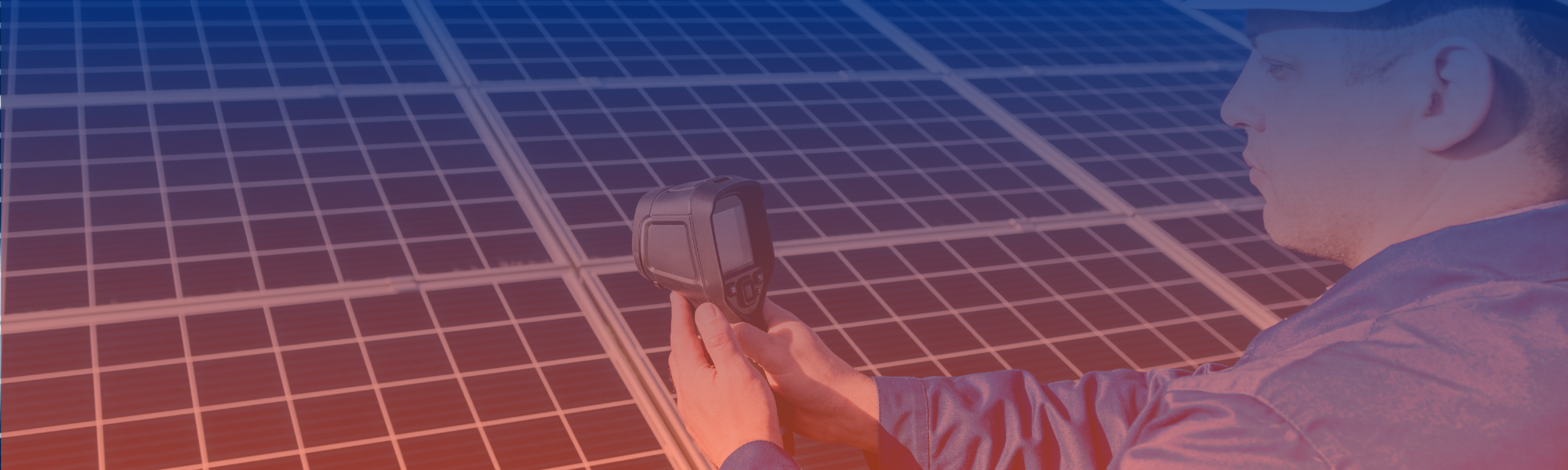
Thermal Imaging for Energy, Renewables & Power Storage
The UK's energy landscape is evolving rapidly, driven by the expansion of renewable generation and distributed power storage. However, as infrastructure like grid-scale battery storage and high-capacity solar farms scale up, so does the intense scrutiny on fire safety, operational resilience, and compliance.
Implementing automated thermal imaging and regular thermographic surveys addresses these unique risks. As a UK specialist in thermal imaging, Thermascan provides continuous, 24/7 condition monitoring and expert inspections across your entire energy infrastructure, identifying rising temperatures and invisible faults before they cause critical failures or catastrophic fires.
Keeping Renewable Assets Safe and Efficient
Renewable energy sites are often vast, remote, and exposed to harsh environments, making traditional manual inspections difficult and time-consuming. Thermographic inspections are non-intrusive and are conducted while systems are under normal operating load, allowing our trained Thermographers to detect faults without causing any downtime.
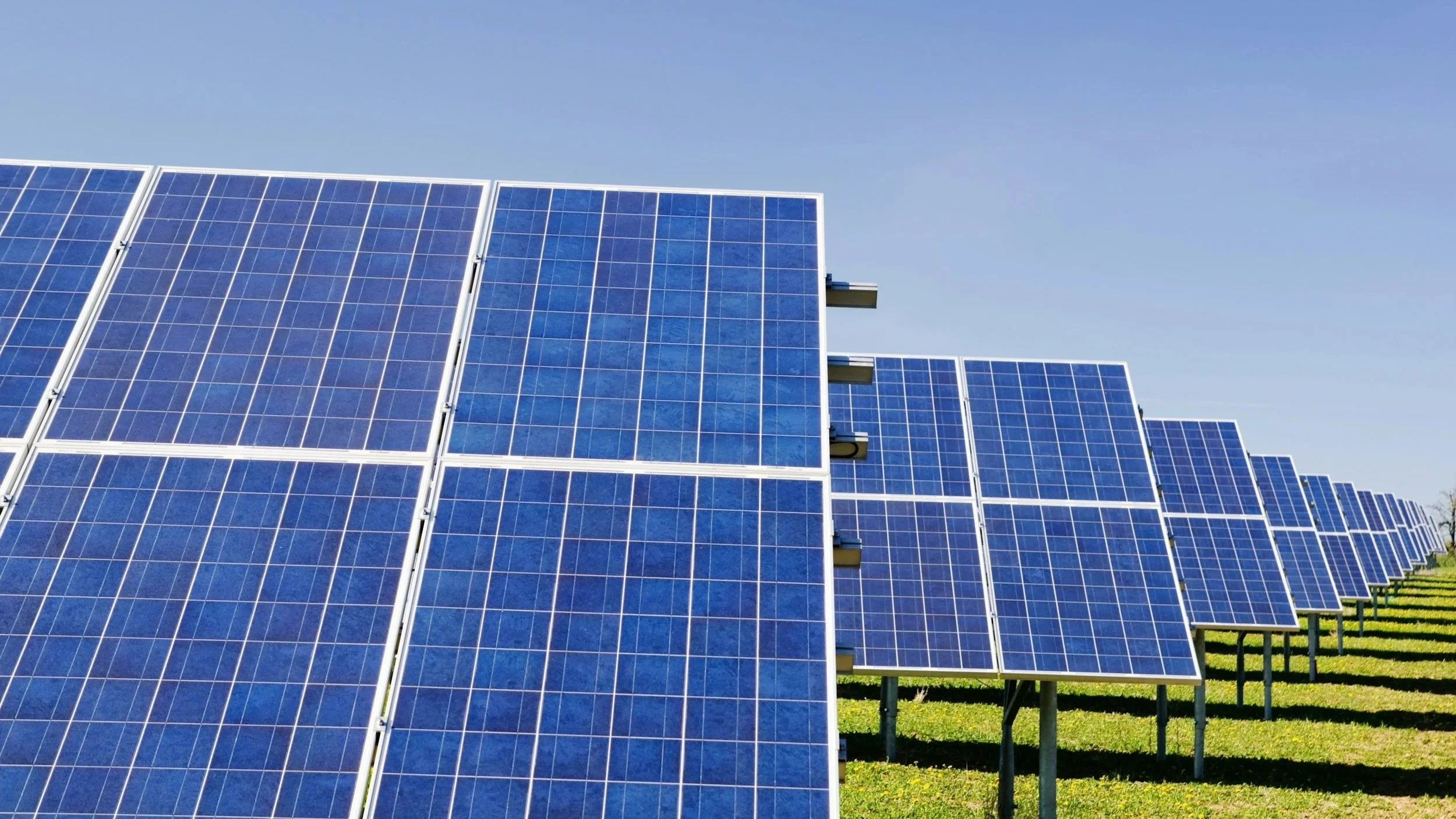
Solar Farm Inspections
On vast solar PV arrays, a single faulty component can significantly impact overall energy yields. A solar farm thermographic inspection quickly identifies hot cells, cracked modules, failed bypass diodes, and loose DC connectors. By conducting these surveys under high irradiance, anomalies stand out clearly, allowing operators to fix underperforming strings without taking the grid offline.
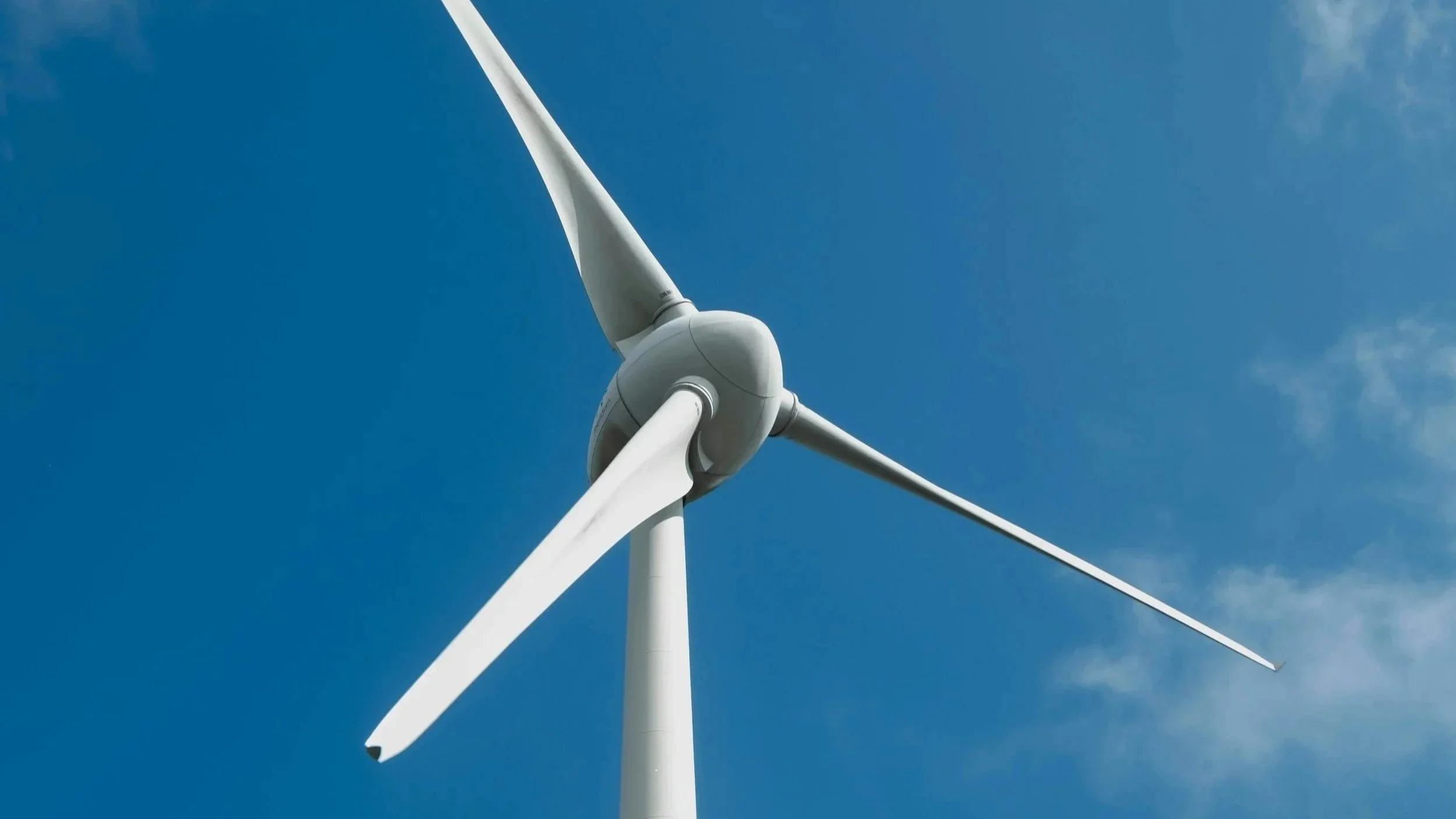
Wind Turbine Monitoring
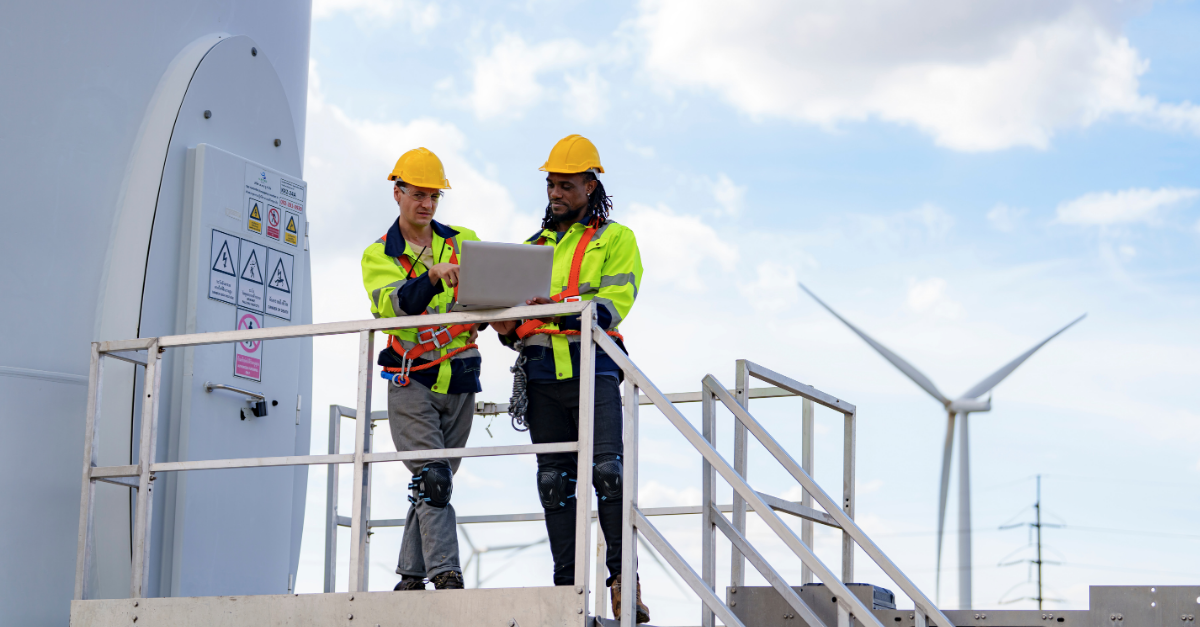
Wind turbines endure immense mechanical and electrical stress. Thermal imaging supports the condition monitoring of gearboxes, generators, transformers, and switchgear. By spotting overheating bearings or couplings early, operators can shift from reactive repairs to predictive maintenance, drastically reducing unplanned downtime.
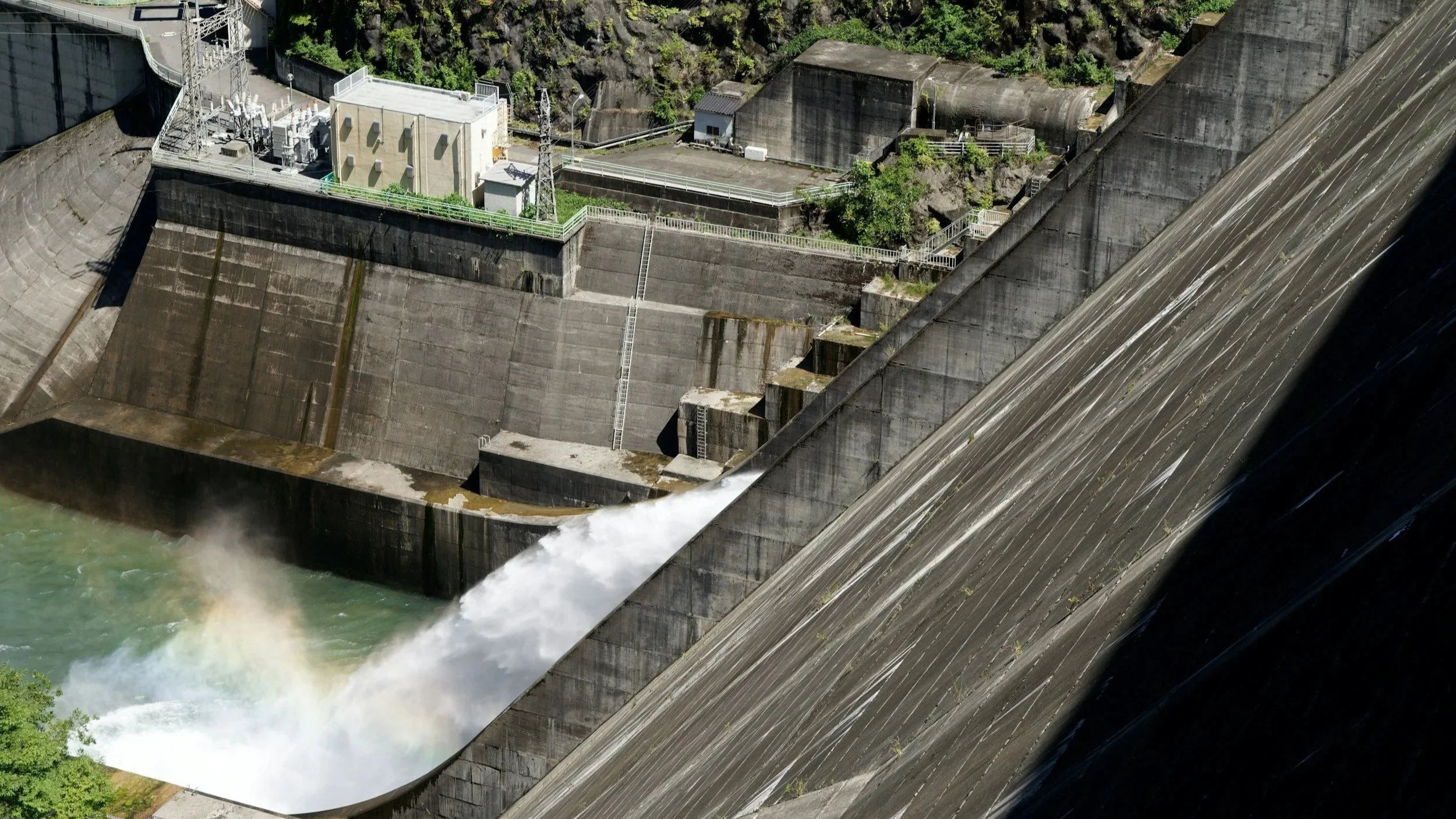
Hydroelectric & Biomass Plants
In hydropower and biomass generation, continuous monitoring of turbines and high-voltage grid interfaces is vital. Furthermore, for biomass facilities, the organic fuel itself presents a massive hazard. Thermal cameras detect sub-surface self-heating within bulk fuel storage that can lead to spontaneous ignition.
Thermal Imaging for Battery Energy Storage Safety (BESS)
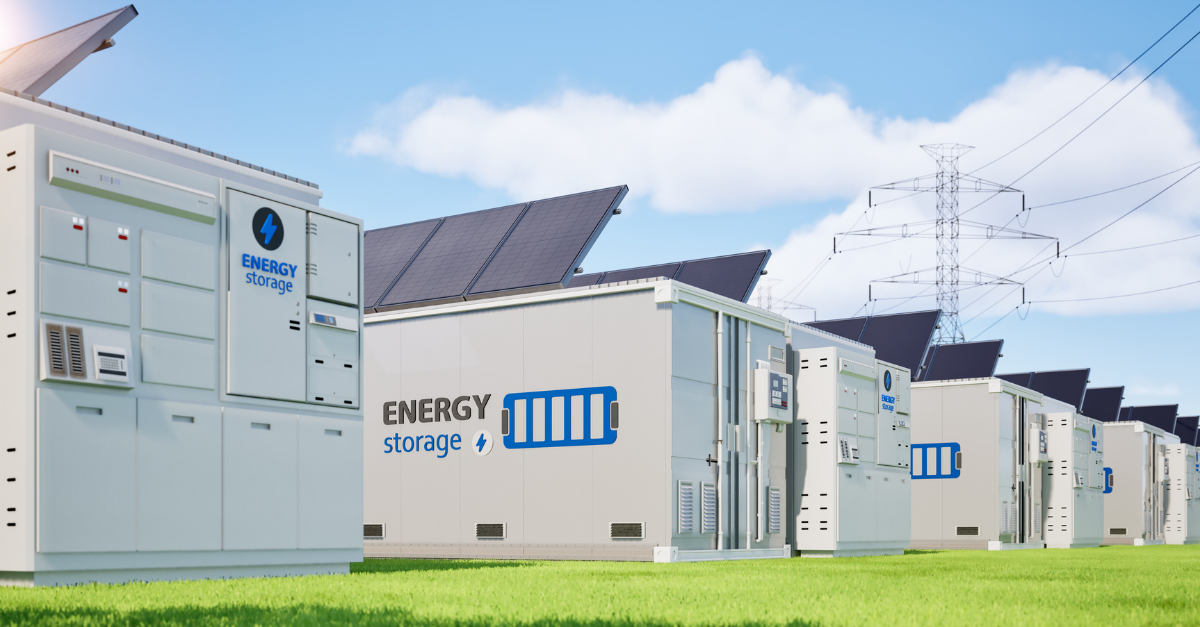
Grid-scale and behind-the-meter lithium-ion Battery Energy Storage Systems (BESS) carry significant risks of thermal runaway. If a single failing cell overheats, the reaction can rapidly cascade to neighbouring cells, generating uncontrollable fires and releasing toxic gases.
Standard smoke and flame detectors are fundamentally reactive, if they trigger, thermal runaway is already underway.
Fixed FLIR thermal imaging cameras provide 24/7 monitoring of BESS container exteriors, busbars, and cable routes. They detect abnormal surface temperatures well before visible fire or smoke appears. With evolving UK guidance from the NFCC and the Department for Energy Security & Net Zero demanding robust monitoring and strict safety distances, a fully integrated thermal early-warning system is now a critical requirement for safe BESS deployment.
EV Charging & Distributed Storage Networks
The rollout of DC fast chargers at motorway services, commercial depots, and retail parks introduces high-voltage hazards into public spaces. Operating at up to 350 kW and 500 A, these systems generate intense heat at connectors, cables, and power modules. Continuous IR monitoring detects these hotspots in the 50–60 °C range, safely halting the charge before thermal runaway risks emerge.
Supporting Compliance, Insurers, and Duty of Care
Protecting your energy assets isn't just about operational efficiency; it is about risk liability. Regular thermographic surveys and automated fixed monitoring systems support your facility by:
Providing documented evidence of preventive maintenance for stringent insurer requirements.
Supporting comprehensive Fire Risk Assessments for high-hazard sites like BESS and biomass plants.
Assisting with BREEAM compliance and wider corporate sustainability objectives by ensuring energy is generated and stored without wasteful resistance or heat loss.
Complete Energy Infrastructure Protection from Thermascan
We don’t just hire and sell thermal cameras; we are your thermal integration partners. With over 30 years of thermography experience, Thermascan delivers both one-off diagnostic surveys and continuous, fixed-camera protection for the most complex energy environments.
Whether you need our Thermographers to conduct routine electrical thermographic surveys on your site's LV/MV systems, specialised HV power surveys for your grid connections, or the design and commissioning of a fully automated FLIR fire-detection network for a new BESS project, we have the expertise to deliver.
Contact our experts today to arrange a site assessment or discuss your renewable energy and storage monitoring requirements.
FAQs
-
Thermal cameras monitor heat signatures and can detect abnormal temperature rises in lithium-ion battery containers weeks or hours before smoke is produced. This allows operators to detect the warning signs of thermal runaway early and shut down or isolate the affected racks before a fire ignites.
-
No. In fact, solar farm thermographic inspections are highly effective when the system is under normal operating load and exposed to high solar irradiance. This provides the best thermal contrast to spot faulty strings or defective cells without disrupting your energy generation.
-
Yes. Insurers of renewable energy and power storage sites increasingly demand rigorous preventive maintenance. Thermal imaging provides documented, time-stamped evidence that electrical connections, transformers, and storage facilities are operating safely within normal temperature parameters.
-
While standard electrical surveys typically happen annually inside standard buildings, renewable assets (like wind turbines or outdoor solar arrays) face harsh environmental conditions and variable loads. Thermascan utilises specialised equipment and methodologies to inspect these high-voltage, outdoor, and remote systems safely.
