
Thermal Monitoring for EV Charging Infrastructure
Preventing fires before they start across public networks, fleet depots, and workplace charging operations.
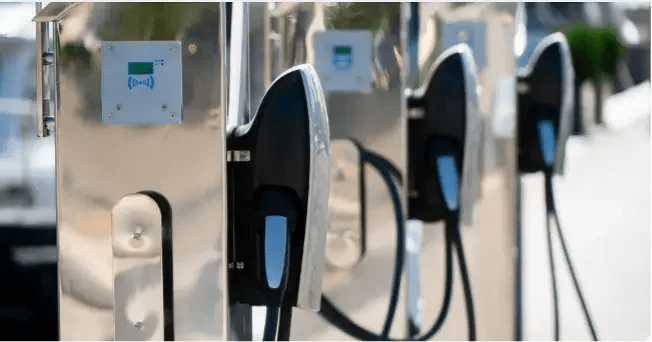
Fast-charging infrastructure is now deployed across the UK at motorway services, urban hubs, fleet depots, workplaces, and residential car parks. DC fast chargers operate at 350kW+ power levels and extreme current (500A+), creating intense heat at connection points. Connector corrosion, cable wear, power module cooling failures, and battery thermal management issues can develop invisibly and escalate rapidly.
Thermascan provides continuous, early-warning thermal monitoring using FLIR fixed cameras, installed and configured by our in-house thermographers. The system detects hotspots at 50-60°C, well before thermal runaway begins at 70-100°C, giving operators time to safely reduce power, isolate equipment, or terminate charging before fire risk develops.
The Fire Risk in EV Fast Charging
DC fast chargers generate extreme heat through high current flow, resistance at connection points, and power electronics losses. As charging power and utilisation increase, so does thermal risk. Connector interfaces experience resistance heating (P = I²R), power modules operate under continuous thermal stress, and vehicles being charged generate internal battery heat during fast charging sessions.
Common Issues
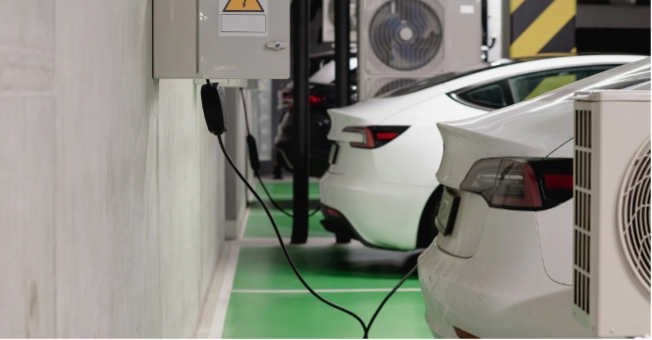
Public charging networks: Station downtime damages operator reputation, creates regulatory scrutiny, and undermines consumer confidence in EV charging infrastructure
Fleet operators: Loss of charging availability disrupts operational schedules, vehicle downtime cascades through delivery routes and service commitments
Workplace and retail charging: Safety concerns around charging deter EV adoption among employees and customers, undermining sustainability initiatives
Equipment manufacturers and CPOs: Fire incidents trigger investigations, liability claims, and potential requirements for fleet-wide service campaigns
By the time visible thermal damage or smoke appears at a charger, thermal runaway is already in an advanced stage and extremely difficult to control. This is why continuous thermal monitoring is increasingly expected by insurers and charging network operators managing liability.
How Thermal Monitoring Works
Thermascan installs fixed FLIR thermal cameras at locations tailored to your charging layout, connector types, and power module locations. The system operates continuously, independent of manual inspections or staffing levels.
How detection happens:
Continuous scanning of connector interfaces, power distribution boards, and vehicle connection points
Automated hotspot detection at 50-60°C, well below thermal runaway threshold (100°C+)
Instant alerts via SMS, email, and/or integration with charging management systems and site alarms
Thermal image automatically captured showing exact location of hotspot and temperature reading
Temperature thresholds are set during commissioning based on your charger types (50kW, 150kW, 350kW), operational patterns, and power module specifications.
What Thermal Imaging Delivers
| Reliable Early Detection | Provides a real intervention window, hours before thermal runaway, allowing operators to safely reduce charging current, isolate equipment, or terminate sessions before fire risk develops. |
| Continuous 24/7 Monitoring | Automated scanning independent of manual inspections, shift patterns, or staffing levels. Overnight and weekend charging operations are fully covered. |
| Clear Documentation | Every alert includes thermal imagery and temperature data, creating a record for operational oversight, equipment maintenance planning, and insurance compliance. |
| Flexible Integration | Works alongside OCPP platforms, charging management software, site alarm systems, and facility infrastructure. Can be configured to trigger automated alerts to operations teams and emergency services. |
| Remote Visibility | Operations teams and network managers access temperature data and alerts securely, allowing rapid response during and outside normal operating hours. |
Applications Across EV Charging Operations
Public Charging Networks
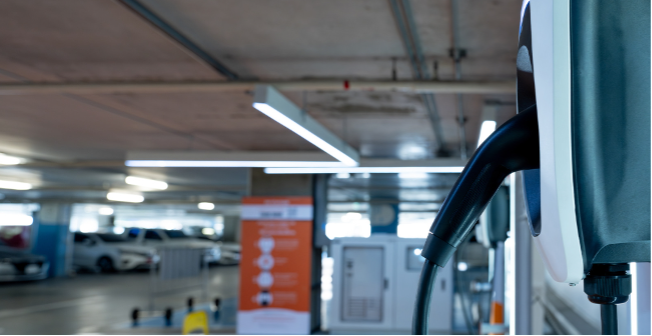
Monitoring DC fast chargers at motorway services, urban hubs, and public car parks
Early detection of connector and power module hotspots
Support for network uptime and operational reliability
Fleet Charging Depots
Protection of overnight and rapid-charging operations for commercial vehicle fleets
Monitoring of centralised power distribution feeding multiple charging bays
Reduced risk of unplanned downtime disrupting operational schedules
Workplace and Retail Charging
Continuous oversight of employee and customer charging stations
Early warning of equipment degradation before failure
Support for duty of care and safety responsibility
Charging Equipment Manufacturers
Field monitoring of EVSE performance and thermal characteristics
Early identification of design or batch issues requiring investigation
Support for warranty and liability management
Local Authorities and Property Managers
Assurance of public charging safety at council-operated networks
Documentation of fire prevention measures for property liability and compliance
Why Thermascan?
| Built on Proven FLIR Thermal Imaging Technology | Installed & Commissioned by Thermascan's Own Thermographers | Decades of Field Experience |
|---|---|---|
| FLIR is one of the world's most recognised names in thermal imaging. Thermascan's systems are based on these dependable, industrial-grade cameras, trusted across critical infrastructure monitoring globally. | No external contractors. Your system is configured by specialists with deep experience in thermal monitoring. | Thermascan has been delivering thermal monitoring solutions across UK industrial and infrastructure environments for many years, with a proven track record in early-warning fire detection and equipment monitoring. |
Learn More about Our Surveys

Electrical Surveys
Ensure your electrical systems are running safely and efficiently. Book a thermographic survey with us today

Fire Detection for Businesses
Detect fire risks early with precision thermal imaging solutions
Arrange a Site Assessment
A Thermascan thermographer can visit your charging facility to:
Review your charger locations, connector types, and power distribution layout
Recommend the most effective camera positions for full coverage
Assess integration with your charging management platform or site systems
Discuss alert thresholds and response protocols
Contact us to book your assessment or request more information.
FAQs
-
Fast chargers operate at extreme power and current levels (350kW+, 500A+), creating intense heat at connection points. Connector corrosion, cable wear, and power electronics cooling failures can accumulate heat that is not visible externally until thermal damage is already occurring.
-
By continuously monitoring charger interfaces and power modules with fixed FLIR cameras, the system identifies rising temperatures allowing operators time to safely intervene.
-
Thermal imaging can integrate with standard protocols and platforms. Integration options and compatibility should be discussed during the site assessment and system design phase.
-
Alerts are issued automatically as soon as a preset temperature threshold is exceeded and include a thermal image showing the hotspot's exact location and temperature reading.
-
Yes. Multiple fixed cameras can be positioned across your site to provide coverage of individual chargers, cable routing, power distribution, and multi-bay configurations. This is determined during the site assessment.
-
Thermascan cameras are rated IP65/IP67 for outdoor use, handling rain, snow, wind, and seasonal temperature variation. Options with enhanced weatherproofing are available for exposed locations.
